The case for a regular sauna
What actually happens when you sit in the heat a few times a week — and why the practice has outlasted every wellness trend for two thousand years.
In Finland there is roughly one sauna for every two people, and the habit has nothing to do with fashion. It is simply part of the week — a place to warm up, slow down and let the day settle. The rest of the world is catching up, and for once the enthusiasm is backed by a growing body of research rather than marketing.
None of what follows is a medical claim. But the pattern across studies is consistent enough that it is worth understanding what you are actually doing when you step into the heat.
Your body under heat
A session at 80–90 °C raises your core temperature by a degree or two. Your heart rate climbs to something close to a brisk walk, blood vessels widen, and circulation increases to move heat towards the skin. In other words, moderate heat asks a little of your cardiovascular system in much the same way light exercise does — which is part of why long-term sauna users show up so often in heart-health research.
The largest of these studies, a long-running Finnish cohort, found that people who used a sauna several times a week tended to fare better on cardiovascular measures than those who used one rarely. Association is not proof, and the researchers are careful about that. But the direction is encouraging, and the mechanism is plausible.
Recovery and muscles
Heat relaxes muscle tissue and increases blood flow to tired limbs, which is why a sauna feels so good after a hard day outdoors or in the gym. Many athletes use heat deliberately as part of their recovery routine, either after training or on rest days.
The part that isn't physical
Ask a lifelong sauna-goer why they do it and few will mention circulation. They will talk about the quiet. A sauna is one of the last rooms most of us enter without a phone. The heat makes it uncomfortable to do anything but sit, breathe and be still — a rare, enforced pause in a day that rarely offers one.
That stillness is doing real work. Warmth before bed can help you fall asleep faster as your body cools afterwards, and the ritual itself — a fixed, screen-free half hour — is a reliable off-switch for a busy head.
How to build the habit
- Little and often beats long and rare. Two or three sessions of 15–20 minutes a week does more than one marathon sit.
- Listen to your body, not the clock. Step out when you have had enough. There is no prize for staying longer.
- Hydrate. You lose fluid through sweat — have water before and after.
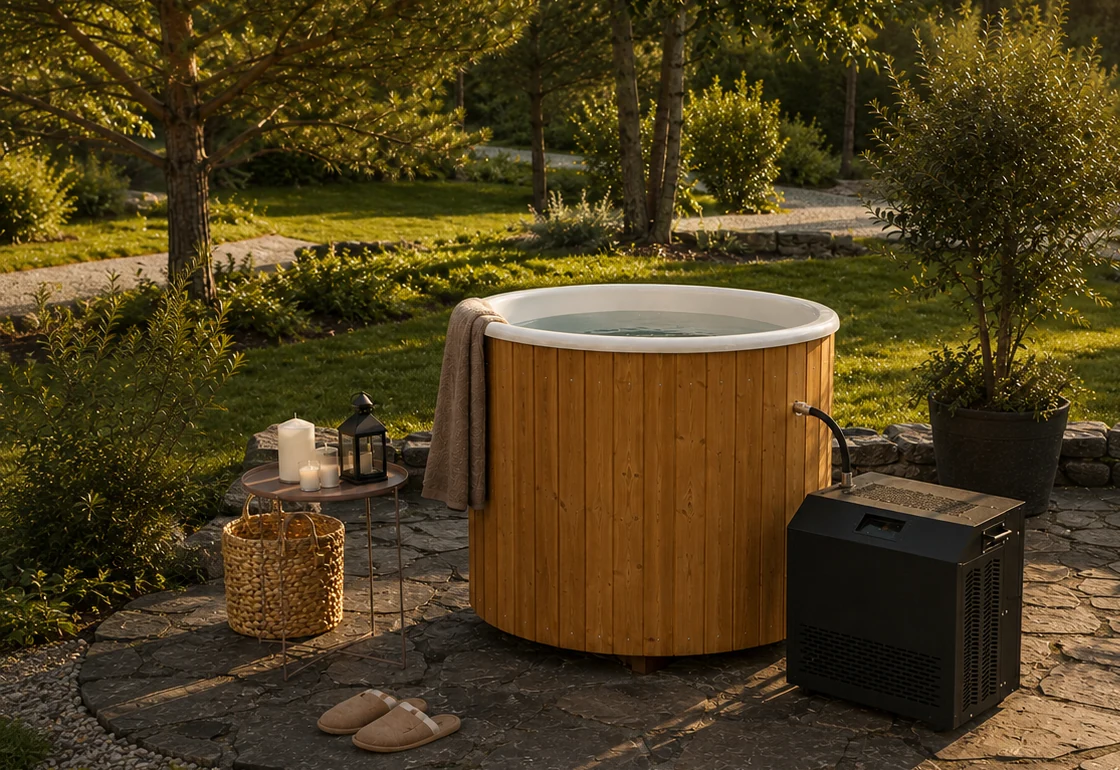
- Cool down properly. A cold shower, a plunge or simply fresh air closes the loop and is where a lot of the good feeling comes from.
A sauna is a small piece of engineering with an outsized effect on how a week feels. That is why, across every one of our models, the thing we care about most is that the heat is even, honest and easy to come back to.